Five centuries at Marcoux
The story of a château, and of those who raised it again.
From a fortified house to a house for celebrations
-
1527
The lords of Mercoux
Jean de Mercoux is the first known lord of the place. Marcoux becomes the centre of a true seigneury of some 100 to 120 hectares at its height, built up through purchases and exchanges of land. The Lhermuzières family holds it for 171 years, from 1592 to 1763. The "e" in the name would only become an "a" at the end of the seventeenth century.
-
1635-1639
Louise de Romezin
In 1635, Étienne de La Franchière took Marcoux on lease and lived at the château without owning it. On 8 February 1638, he married the young Louise de Romezin, a Protestant, and brought her to the château. A few months later, in the winter of 1639, she converted on hearing the Jesuit Jean‑François Régis, a future saint, on mission in the area. A stained-glass window of 1889, in the basilica of La Louvesc, tells the scene. It is from her that the château takes its byname: the former home of Louise de Romezin.
Étienne died in 1639. The inventory of his belongings, drawn up that summer, gives the first known description of the château.
-
1842
The extension
The château is extended: a new building joins it to the tiled barn, in the same stone, this time cut with a mechanical saw.
-
1890
The château intact
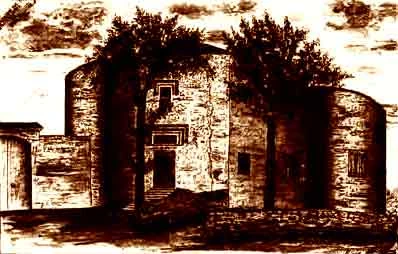
An engraving after a sepia by M. de Fraix de Figon shows the château as it was, under its four-sided stone-slate roof.
-
1921
The château and its mill
The mill on the Trifoulou is sold off separately: for the first time, the château and its mill, the two symbols of the old seigneury, are parted.
-
1996
The ruin
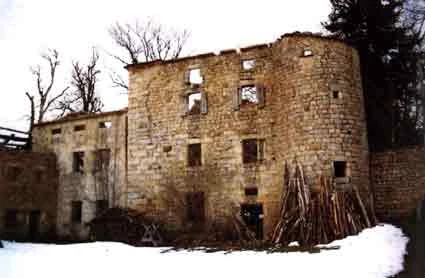
A century later, the château has no roofs left: its owner took them down to sell the stone slates. The experts speak of undermined walls, collapsed roofs, a great hall overrun by fir and lime trees. The Dubouchet family and their friends the Gaillards invest in it, for long years of restoration.
-
1997-2000
The rebirth
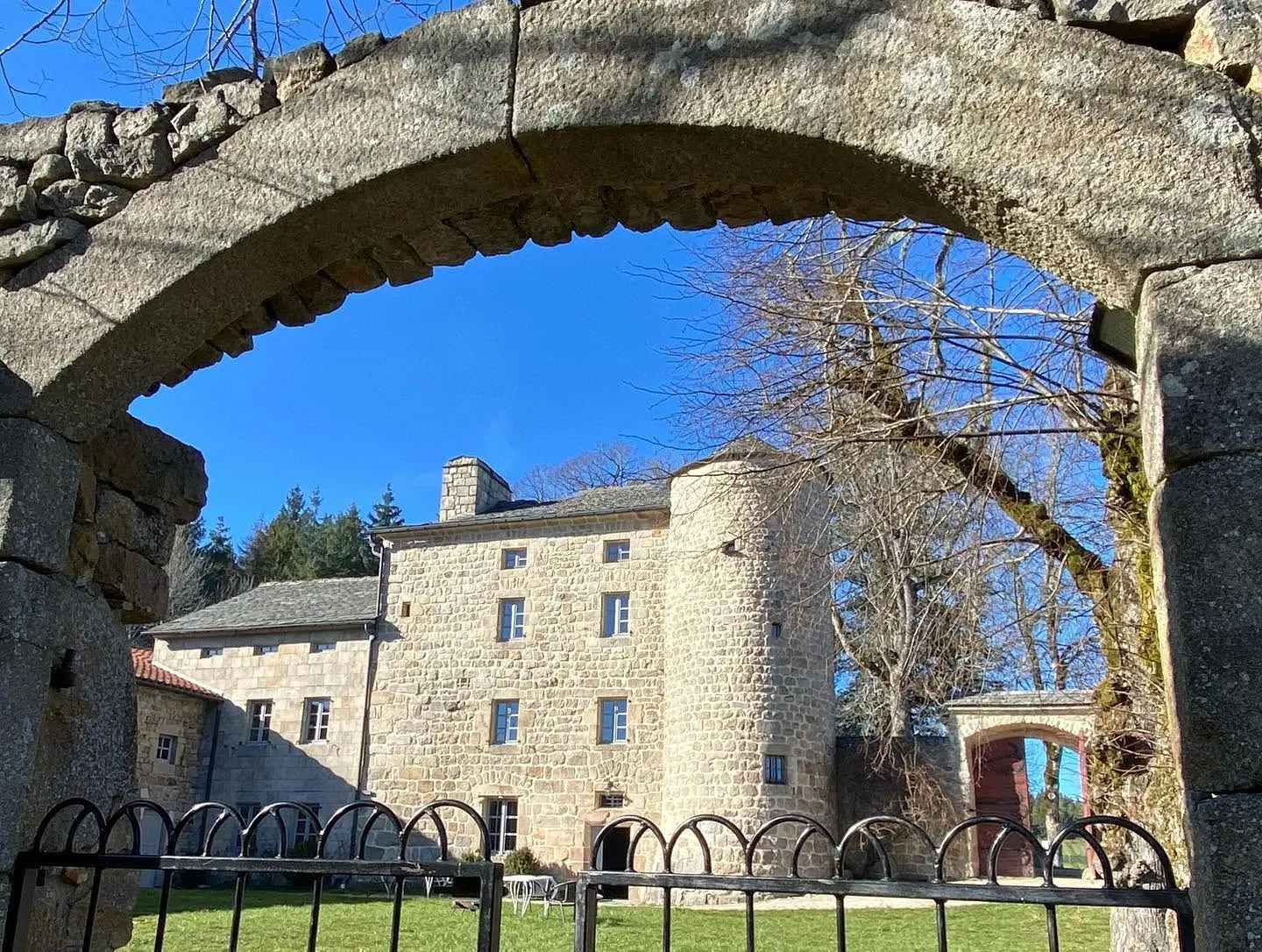
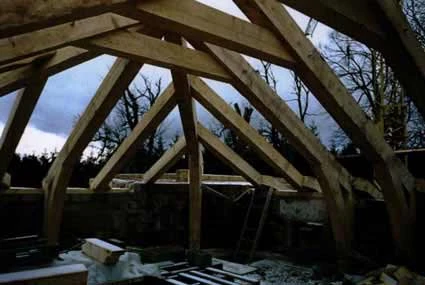
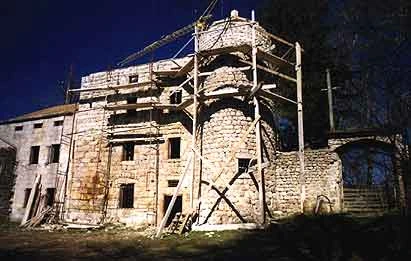
With the architect Michel Remillieux, the masonry firm Neyron, the carpenters Pelissier and local craftsmen, the stones are listed and sorted, the walls rebuilt, the roof frame made again in the traditional way and covered with stone slates laid on a bed of clay. The approach: not to imitate the past, but to let every era be read, the sixteenth century, the nineteenth and our own.
-
2000
The reopening
The château opens its doors to the public again: the first celebrations, the first weddings.
-
Today
A living château
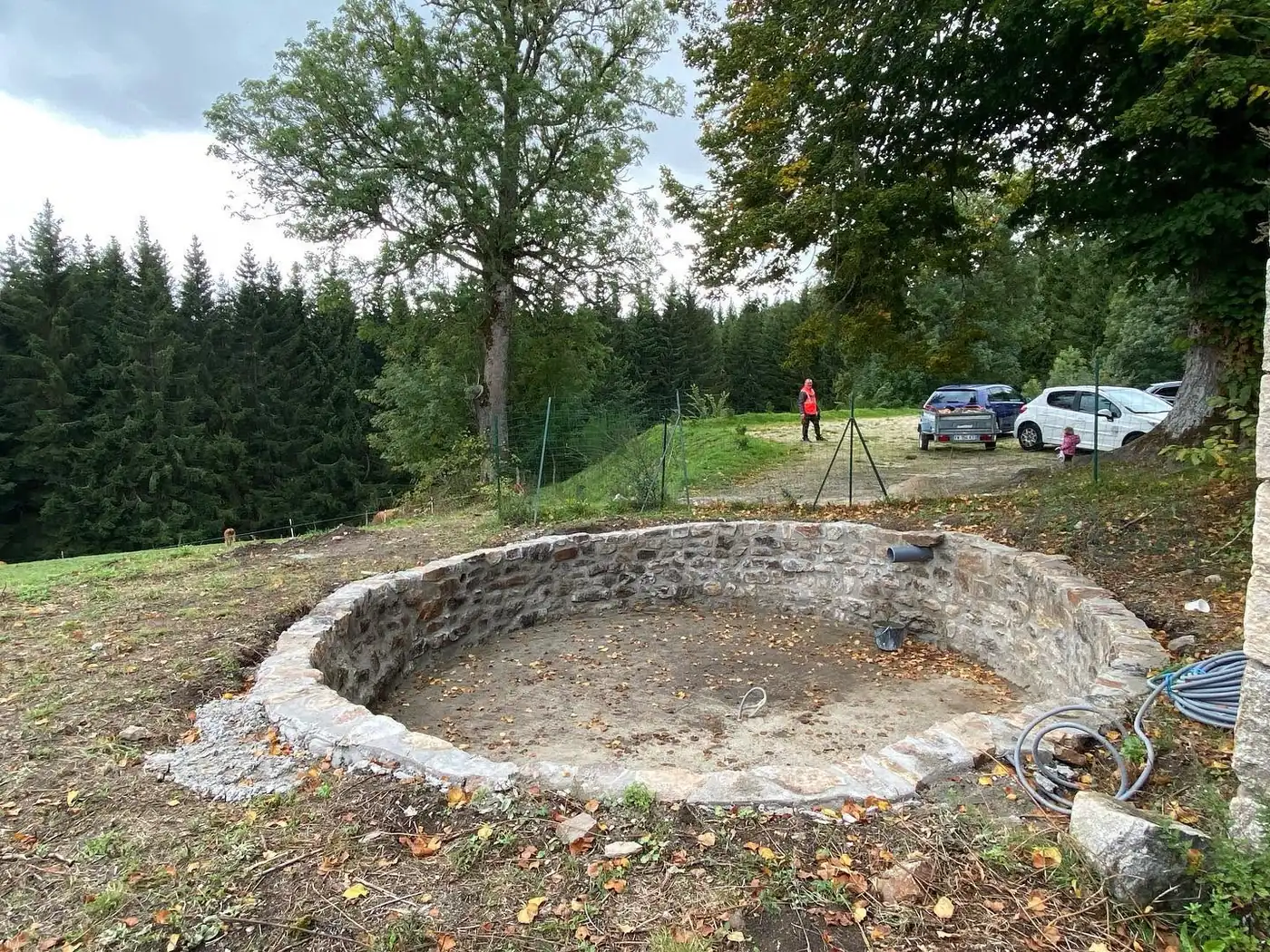
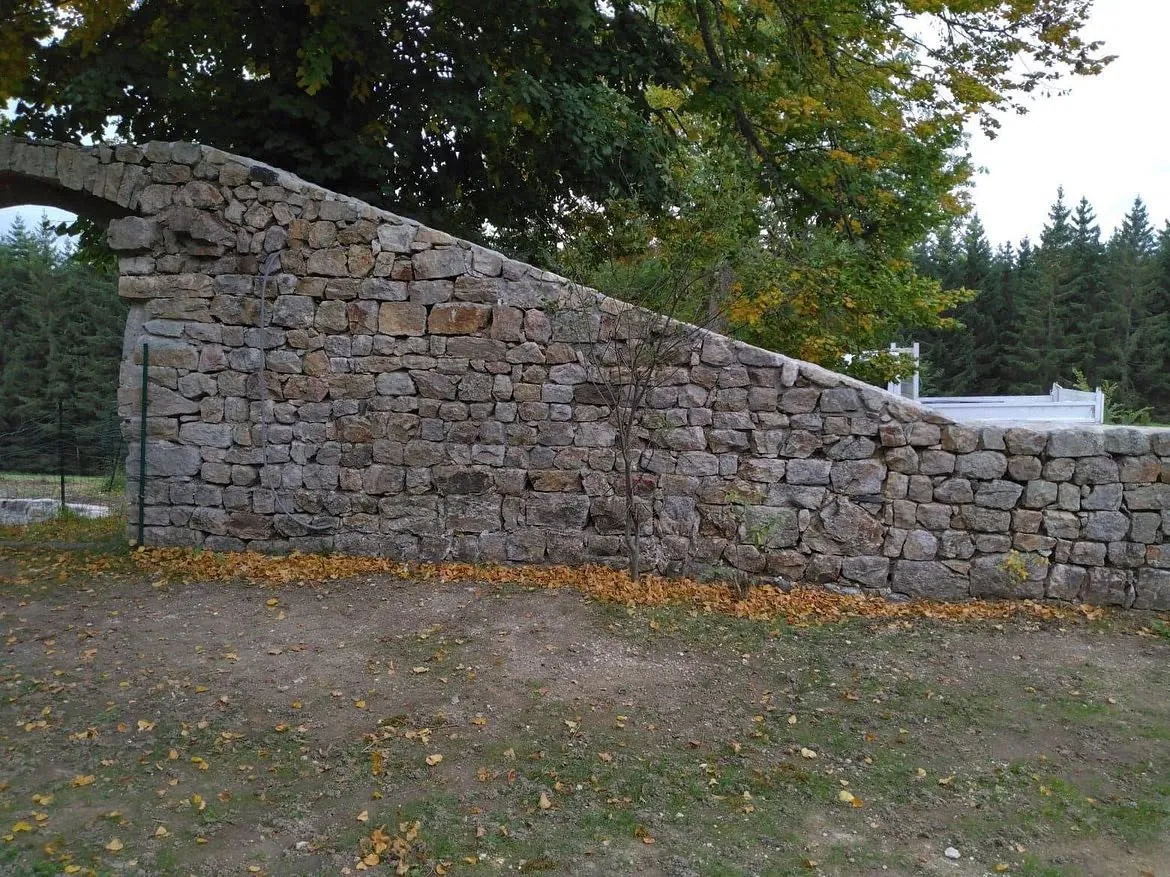
The château hosts weddings, family celebrations, festivals and exhibitions. The work goes on: the small pool and the old wall have been rebuilt, the great fireplace sand-blasted, the Louis XIII armchairs restored, and solar panels now make it possible to open all year round.
Come and visit the château
Visits of the château by appointment, all year round.